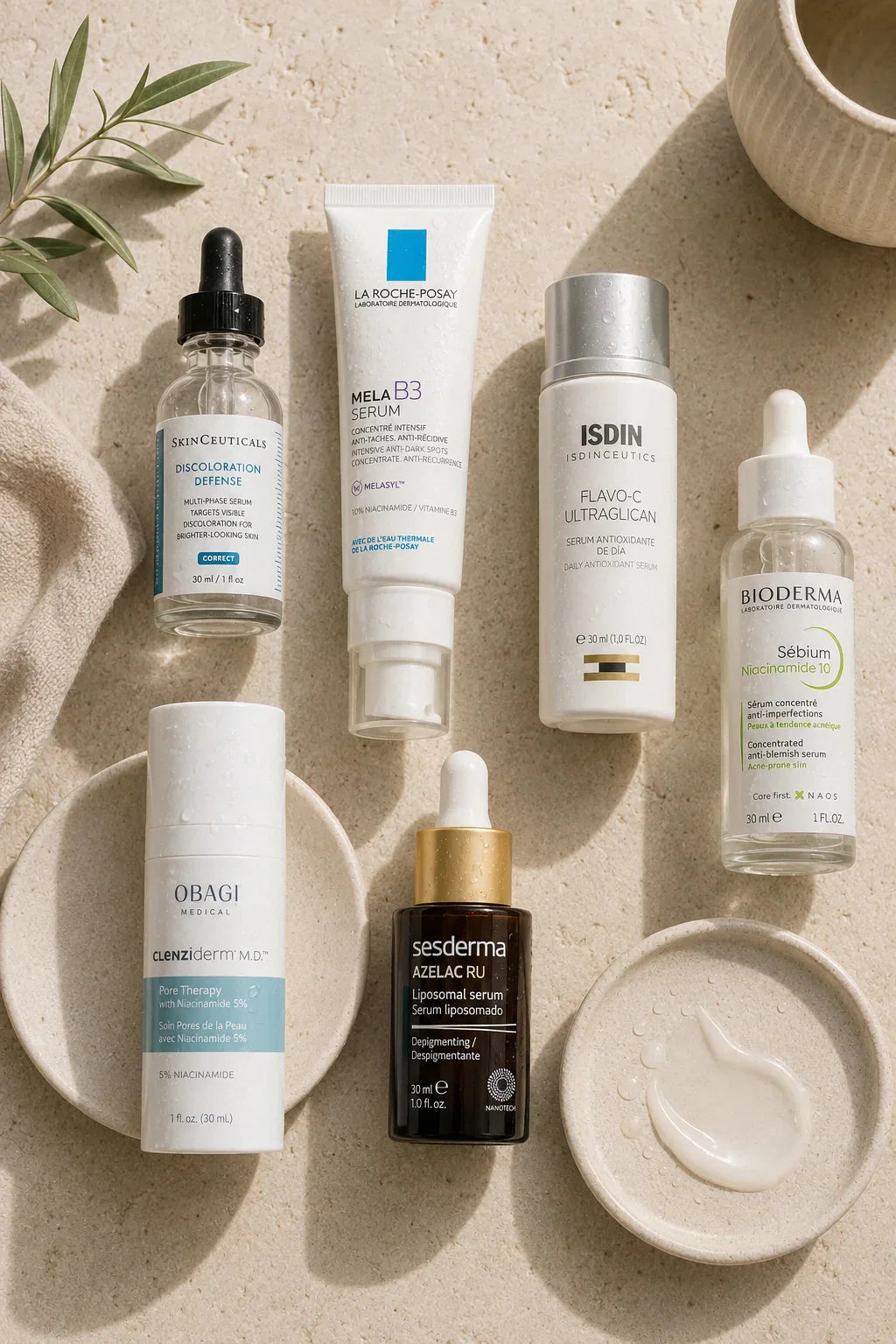
Healthy skin is more than just a glowing complexion—it starts with a strong skin barrier. Often referred to as the skin's natural protective shield, the barrier plays a crucial role in keeping moisture in while protecting against pollution, irritants, allergens and harmful microorganisms.
When this barrier becomes damaged, your skin may feel dry, irritated or unusually sensitive, even to products you've used comfortably before.
In this guide, we'll explain what the skin barrier is, what causes damage, how to recognise the warning signs and the steps you can take to restore healthier, stronger skin.
What Is the Skin Barrier?
The skin barrier is the outermost layer of your skin, known as the stratum corneum. Think of it as a brick wall:
- Skin cells are the bricks.
- Natural lipids, ceramides and cholesterol act as the mortar holding everything together.
When this structure is healthy, it helps:
- Prevent excessive water loss
- Protect against bacteria and environmental pollutants
- Reduce irritation from external aggressors
- Maintain smooth, comfortable skin
A healthy barrier is essential for balanced, resilient skin.
Signs Your Skin Barrier May Be Damaged
A weakened skin barrier often presents with one or more of the following symptoms:
- Persistent dryness
- Tightness after cleansing
- Redness or irritation
- Increased sensitivity
- Stinging when applying skincare products
- Rough or flaky patches
- Dehydrated yet oily skin
- Skin that feels uncomfortable throughout the day
If these symptoms continue despite using moisturisers, your skin barrier may require focused repair rather than simply adding more hydration.
What Causes Skin Barrier Damage?
Several everyday habits can compromise the skin barrier.
Over-Exfoliation
Using exfoliating acids or scrubs too frequently can remove protective lipids and weaken the skin's natural defence.
Overusing Active Ingredients
Applying multiple active ingredients—such as retinoids, exfoliating acids and strong brightening products—without gradually introducing them may increase irritation.
Harsh Cleansers
Cleansers that leave your skin feeling tight or squeaky clean may strip away essential oils needed to maintain barrier health.
Environmental Factors
Sun exposure, pollution, low humidity, air conditioning and extreme weather conditions can all contribute to barrier disruption.
Inconsistent Moisturising
Skipping moisturiser or using products that don't adequately support the skin barrier may allow increased water loss over time.
How to Repair a Damaged Skin Barrier
1. Simplify Your Routine
Temporarily reduce your routine to the essentials:
- Gentle cleanser
- Barrier-supporting moisturiser
- Broad-spectrum sunscreen
Avoid introducing new active ingredients until your skin feels comfortable again.
2. Look for Barrier-Supporting Ingredients
Dermatologists often recommend products containing ingredients such as:
- Ceramides
- Hyaluronic Acid
- Glycerin
- Panthenol (Vitamin B5)
- Squalane
- Niacinamide (when well tolerated)
These ingredients help replenish moisture and support the skin's natural protective function.
3. Avoid Excessive Exfoliation
If your skin feels irritated or sensitive, pause exfoliating acids and scrubs until your barrier has recovered.
Once your skin feels healthier, reintroduce active ingredients gradually and according to your dermatologist's advice.
4. Never Skip Sunscreen
Ultraviolet (UV) exposure can further weaken a compromised skin barrier.
Applying a broad-spectrum sunscreen with SPF 30 or higher every morning helps protect recovering skin from additional environmental damage.
How Long Does Barrier Repair Take?
Recovery time varies depending on the severity of the damage and your skincare routine.
Many people notice improved comfort and hydration within a few weeks of following a gentle, barrier-focused routine, though recovery may take longer if the barrier has been significantly compromised.
Consistency is key.
Should You Stop All Active Ingredients?
Not always.
If your skin is visibly irritated, it may be helpful to temporarily reduce or pause stronger active ingredients while focusing on barrier repair.
Once your skin has recovered, these ingredients can often be reintroduced gradually with professional guidance.
Can Oily Skin Have a Damaged Barrier?
Yes.
Many people assume only dry skin experiences barrier damage, but oily and acne-prone skin can also develop a weakened barrier.
In fact, excessive cleansing or overusing acne treatments may leave oily skin feeling dehydrated, irritated and more reactive.
Supporting the skin barrier is important regardless of skin type.
When Should You See a Dermatologist?
If your skin remains persistently red, irritated, painful or continues reacting to most skincare products despite simplifying your routine, a dermatologist can assess the underlying cause.
Professional guidance is particularly valuable if barrier damage is accompanied by conditions such as eczema, rosacea or persistent acne.
Final Thoughts
A healthy skin barrier forms the foundation of every effective skincare routine.
Before focusing on brightening, anti-ageing or exfoliation, ensure your skin barrier is healthy, balanced and well protected.
Gentle cleansing, regular moisturising, barrier-supporting ingredients and daily sun protection can help your skin feel stronger, calmer and more resilient over time.
Need Personalised Advice?
Experiencing persistent dryness, irritation or sensitive skin?
Our dermatologists can help identify the cause and recommend a personalised skincare routine designed to strengthen your skin barrier.
Medical Disclaimer
This article is intended for educational purposes only and should not be considered medical advice. Individual skin conditions vary. If you experience persistent irritation, redness or worsening symptoms, consult a qualified dermatologist for a professional evaluation.